News
A new chapter blooms for Araluen Botanic Park
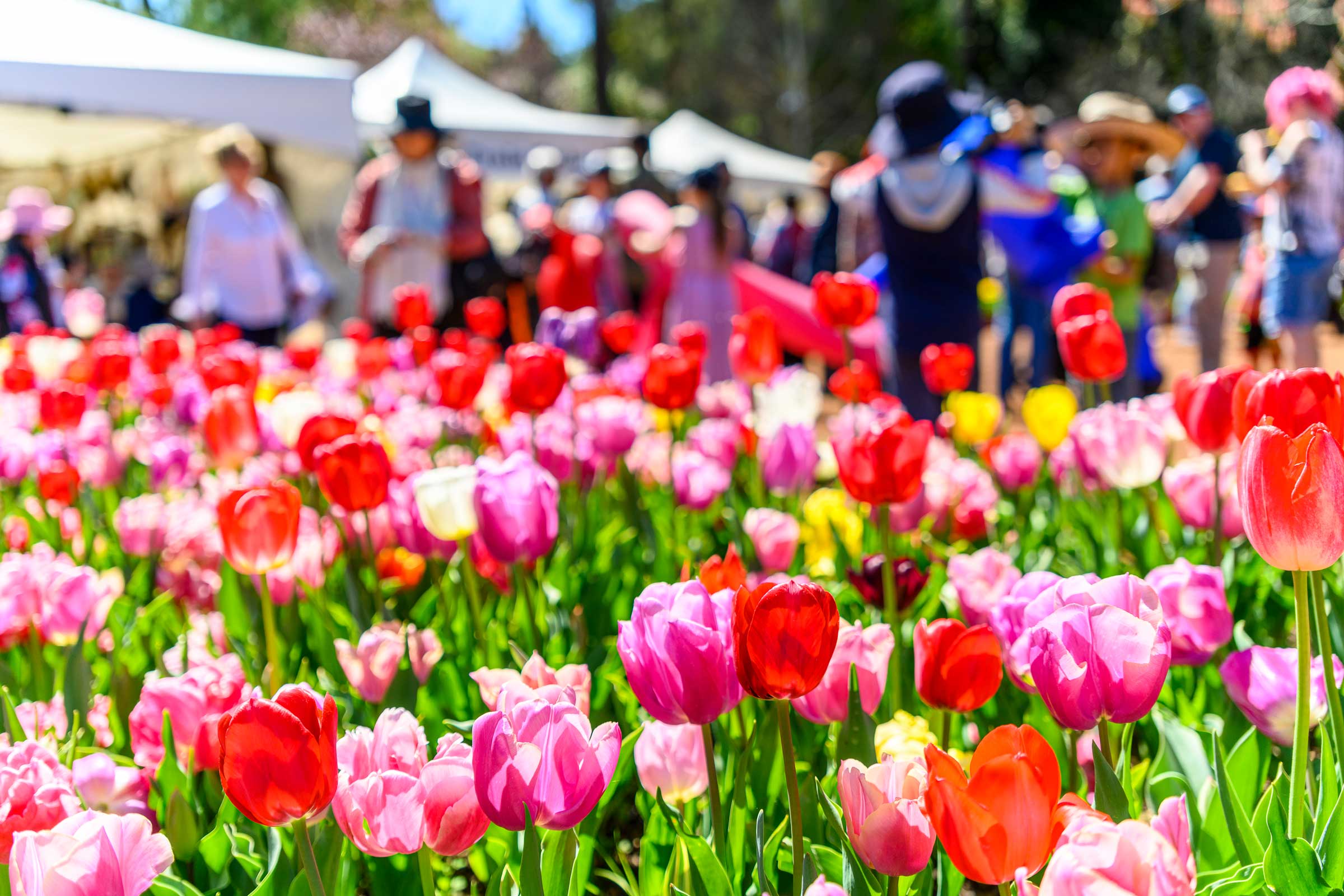
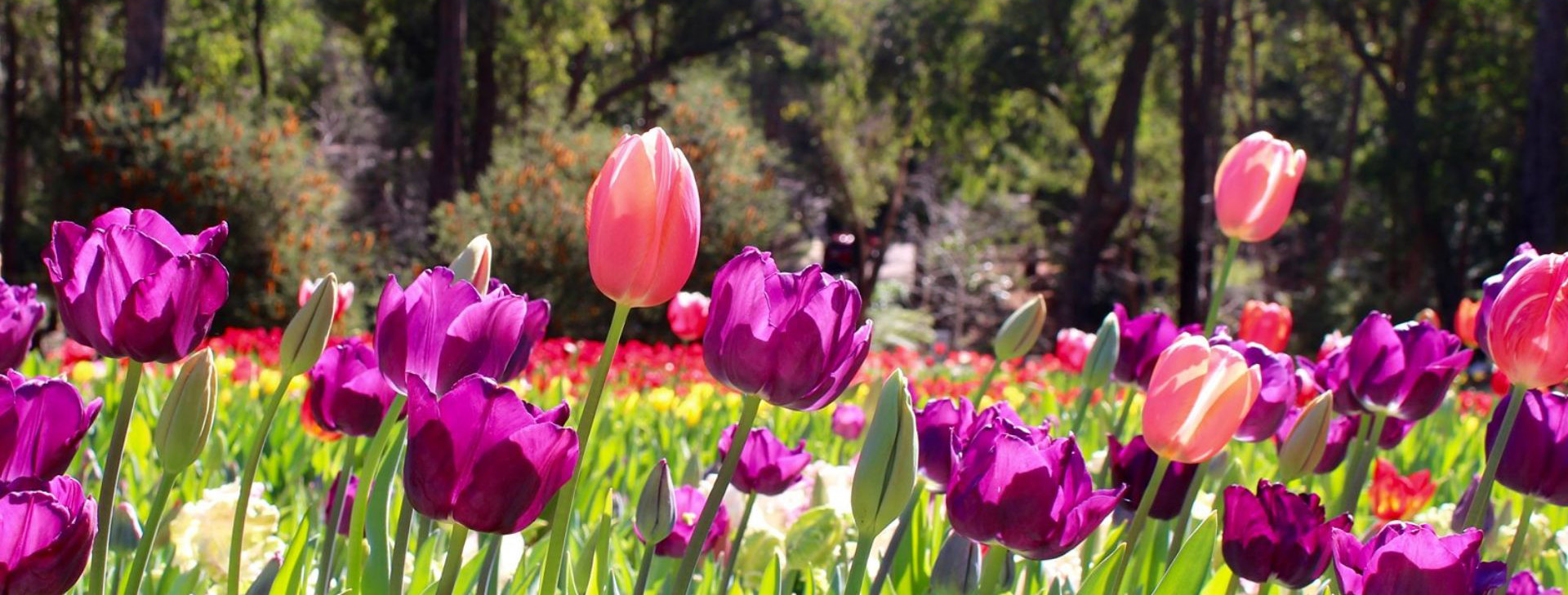
This tulip season, a new chapter blooms as Araluen Botanic Park celebrates more than the arrival of spring. On Friday 22 August, the Park unveiled a bold new brand alongside…
Read Now
Araluen is home to many of Western Australia’s most beautiful birds. From New Holland Honeyeaters, to Sacred Kingfishers, there are plenty of birds to see at Araluen, either zipping through the trees, or resting in the gardens. Araluen’s unique landscape provides many species of birds with the perfect home; cool running water from Stinton Creek, plenty of shady tree canopies, and hectares of bushland to build nests in.
Birds may be seen throughout the Park but suggestions for particularly good areas for easy observation are:
Araluen’s unique setting offers a variety of habitats suited to many different birds providing them with shelter, nest sites, a wide range of food sources and permanent water. Some will be residents, some visit seasonally while others will pass through occasionally.
The elements of the habitats include:
If you see a bird and wonder what it is, there are often only a few seconds, so:
Autumn brings shorter days, lower temperatures and, hopefully, good rainfall that will continue throughout winter. This is an excellent time to see birds as the young adults are moving around feeding before settling into territories to breed in the spring. They are not so secretive and the Park is a bit more open with deciduous trees and pruning.
This is the main breeding season for most of the birds in the Park depending on the weather and the increasing length in daylight. There is an abundance of food for nestlings, water and shelter though some birds may move into the quieter areas of the bushland to breed. Cuckoos call frequently. Sacred Kingfishers return in October and mark the change to much longer and warmer days.
This is the time for possible extreme heat with little rain. The Park, with shade and permanent water provides safe shelter for the many species that choose to stay. This is also the time to see wedge-tailed eagles, red-tailed black cockatoos and many parrots.
This is the main breeding season for most of the birds in the Park depending on the weather and the increasing length in daylight. There is an abundance of food for nestlings, water and shelter though some birds may move into the quieter areas of the bushland to breed. Cuckoos call frequently. Sacred Kingfishers return in October and mark the change to much longer and warmer days.
Raptors:
Owls:
Eat insects, small creatures and may also be scavengers
Seed eaters, especially from marri gumnuts and other native plants. Larvae (grubs) in branches. Native flowers and orchard fruit.
Including the cuckoos who parasitise the nests of small insectivorous birds including the honeyeaters:

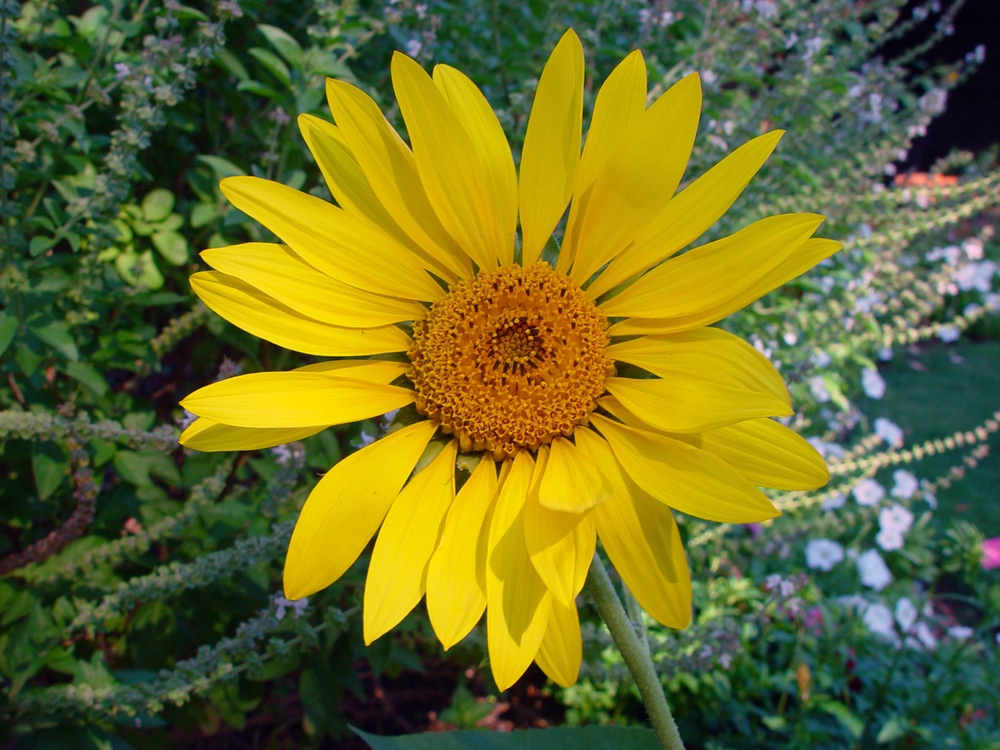
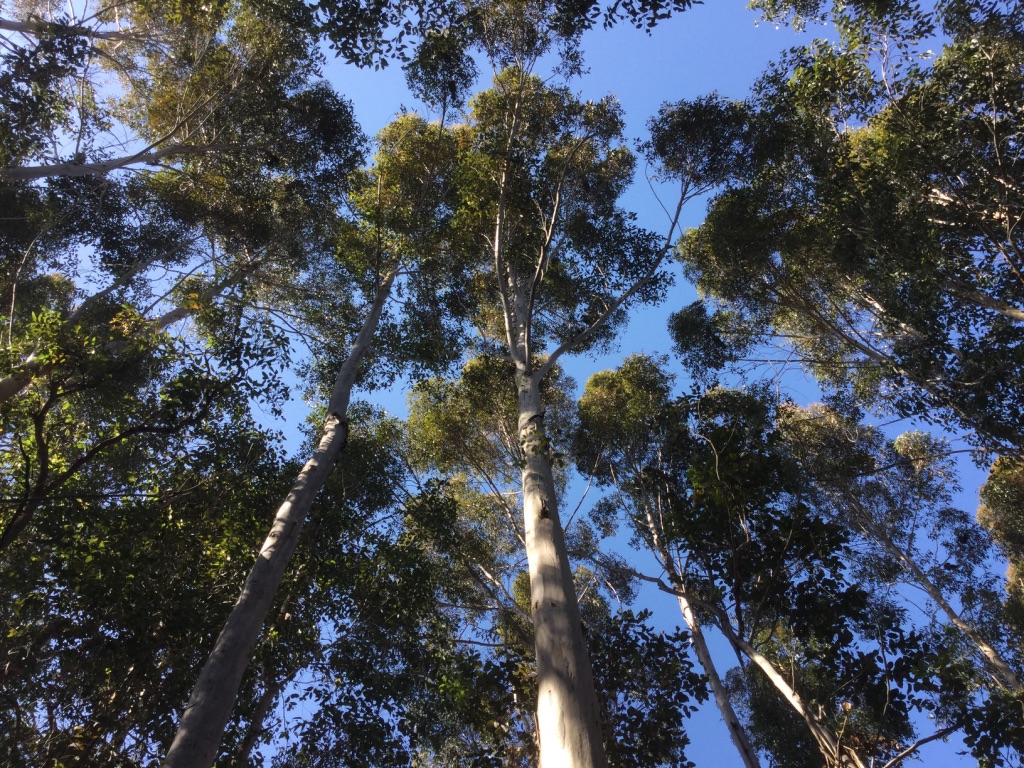
Discover what’s blooming, get behind-the-scenes insights, and stay up to date with all the latest from Araluen Botanic Park.
From live concerts to seasonal festivals, there’s always something special happening at Araluen. Explore upcoming events and plan your next visit to experience the park in full bloom.
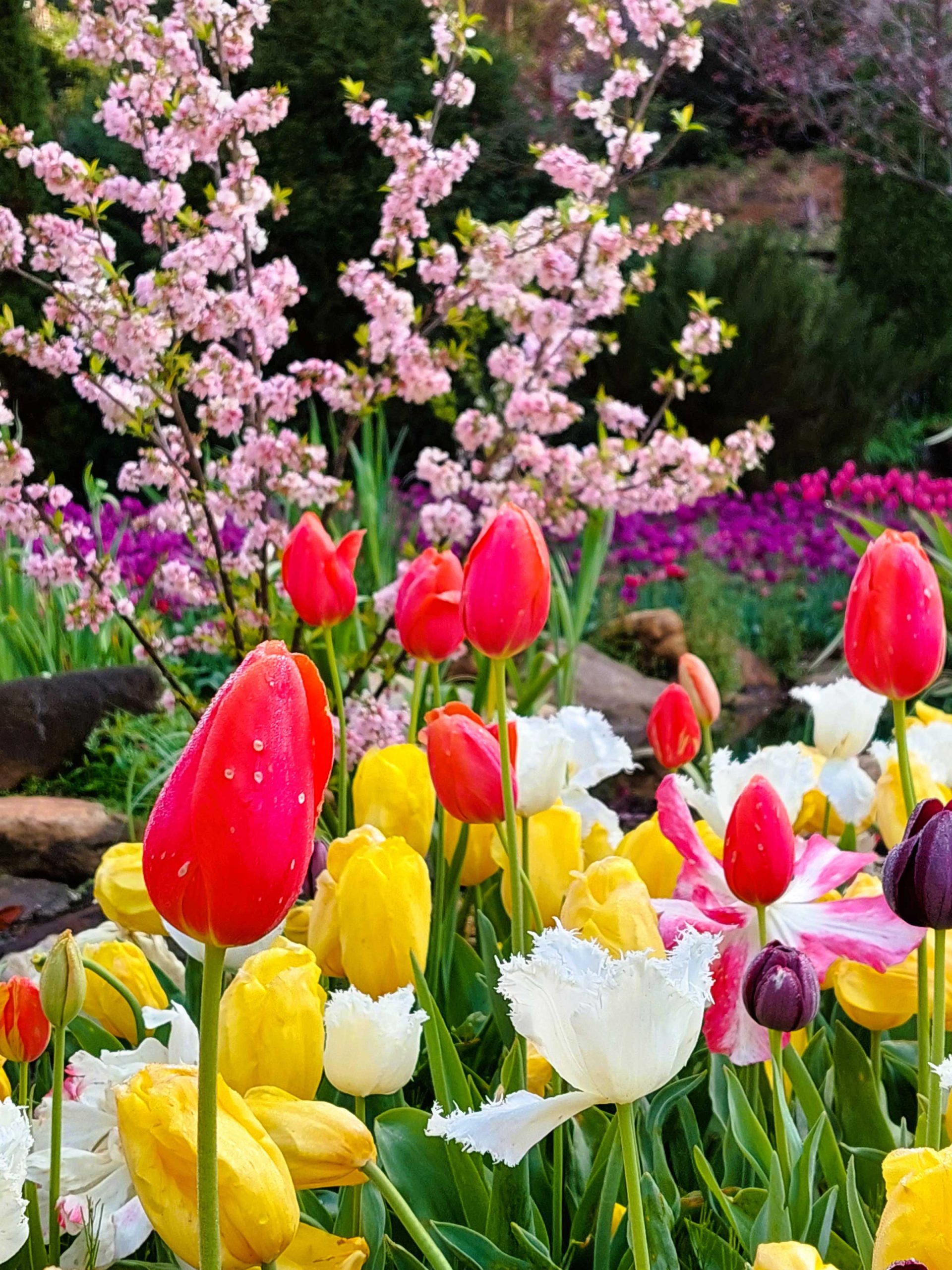
Join us for a special day of bulb planting in the stunning Autumn surrounds of Araluen Botanic Park. With 250,000 bulbs to plant in preparation for Springtime, we’d love your help bringing the Park to life for the season ahead. It’s a fun and rewarding experience for all ages and a wonderful activity for the whole family.
Take a break from the everyday and spend a few peaceful hours surrounded by trees, flowers, and flowing water.
With shady walking trails, garden seating, and plenty of picnic spots, Araluen is perfect for families, friends, or quiet solo escapes.
Tickets can be purchased on the day at the gate but to guarantee entry please buy online ahead of time.
Click here to check our Holiday Closure dates.
Ticket Validity
This ticket is valid for one entry only to Araluen Botanic Park on the date chosen. Tickets are not transferrable.
Concession Entry must show valid concession card upon entering. Accepted cards as follows:
Film & Photography
Permission is required to conduct a film or photographs event and/or to take still or motion pictures in Araluen Botanic Park by photographic or electronic means for the purpose of sale, public display, broadcast or transmission, or use in the promotion or sale of goods or services. Please fill in the application form below (T&Cs included) and send to customerservice@araluenbotanicpark.com.au