News
A new chapter blooms for Araluen Botanic Park
This tulip season, a new chapter blooms as Araluen Botanic Park celebrates more than the arrival of spring. On Friday 22 August, the Park unveiled a bold new brand alongside…
Read Now
Nestled in the Perth Hills, Araluen Botanic Park stands as a living treasure of Western Australia. Spanning 59 hectares, the Park combines 14 hectares of carefully cultivated gardens with 45 hectares of native bushland, all connected by winding stone paths, rustic stairways, flowing streams, and heritage jarrah and stone structures. As visitors enter the valley, a rich and immersive nature-lover’s experience unfolds.
What truly sets Araluen apart, however, is its rare microclimate. Rich loam soils, high rainfall, and cool winters create growing conditions found nowhere else in the State. As a result, exotic and cool-climate plants thrive alongside Western Australia’s iconic flora, shaping a landscape of remarkable diversity.
Throughout the year, Araluen reveals ever-changing seasonal displays, encouraging visitors to return again and again.
Bold perfume and warm forest air
In summer, fragrance takes centre stage. Heat, foliage, and the surrounding valley forest combine to create a rich sensory atmosphere.
During Birak (early summer), warmer days and easterly winds carry scent through the valley as light shifts and the garden transitions into drier conditions. As the season deepens, Bunuru (high summer) brings stillness and heat, making shade, water, and early morning or late afternoon visits the most comfortable times to explore.
Roses from the Noelene Drage Rose Collection flower generously from spring through to autumn. Consequently, strong perfume fills the air around the Rose Garden Carpark, mass plantings along the Concourse Lawn near the Grove of the Unforgotten, the Margaret Simons Pergola, and pathways leading toward the Roundhouse Café.
Meanwhile, giant summer lilies rise through garden beds near the Grove of the Unforgotten, along the Roundhouse Sweep, and around Beech, Bennetts and Stinton Lawns. In drier garden areas, lavender and scented pelargoniums add herbal notes, while gardenias release a rich, heady perfume that drifts on warm air. Where established around the Main Entrance Customer Service area and Totterdell Cottage, their scent often welcomes visitors from a distance.
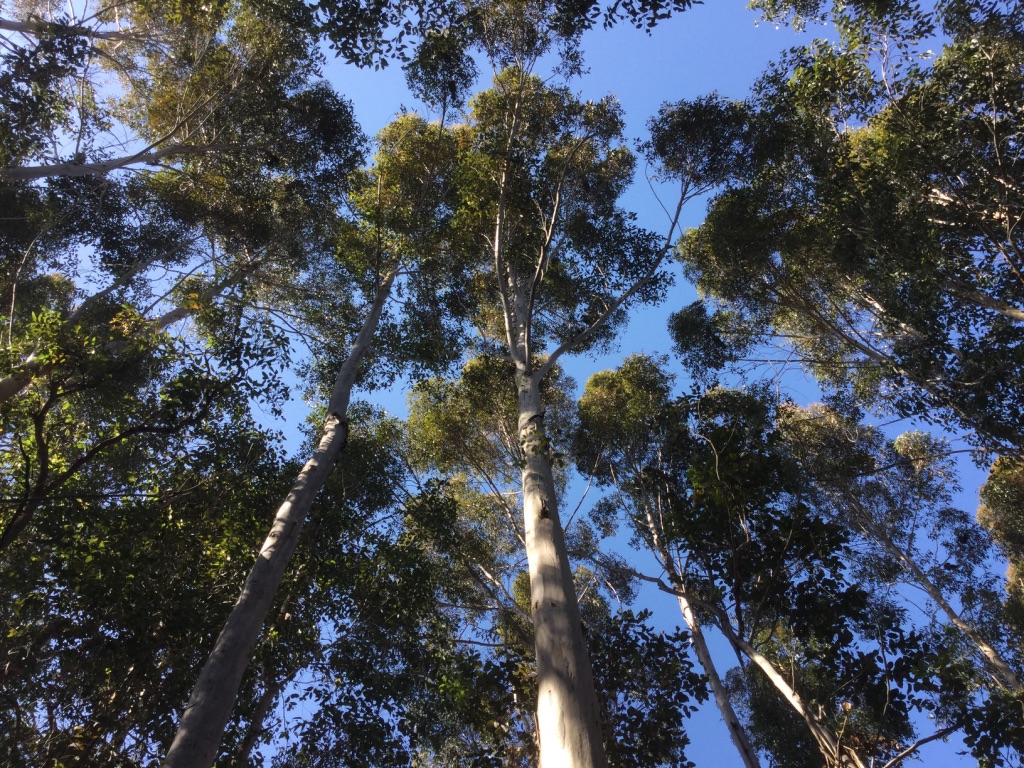
At the same time, the surrounding forest contributes its own fragrance. Lemon-scented gums (Corymbia citriodora) release citrus notes as foliage warms. Marri (Corymbia calophylla) add honeyed, resinous scents, particularly after heat or light rain, enveloping the valley gardens bordered by Midgegooroo National Park. Further north, karri (Eucalyptus diversicolor) trees offer a cool, clean eucalyptus fragrance near the Forest View Deck and along Stinton Pool.
Together, warm air moving through the valley blends floral perfume with eucalyptus oils, creating Araluen’s distinctive summer scent.
A slow stroll across the Concourse Lawns reveals grand pergolas and historic built infrastructure set within expansive open spaces. From the Grove of the Unforgotten, the walk along Boss Simons Way unfolds through bold blues, pinks and whites of hydrangeas, complemented by other hardy summer blooms.
For the richest sensory experience, visitors should arrive early in the morning or later in the afternoon, when light softens and scent carries gently through the valley. Visitors are encouraged to check current summer opening hours online, as the Park closes early on major public holidays and may close during periods of extreme heat or elevated fire risk to ensure public safety.
Soft, nostalgic, and reflective
As temperatures ease, the garden gradually softens and fragrance becomes more contemplative.
In the Noongar calendar, Djeran marks this seasonal transition. Dewy mornings, shifting winds, and cooling days signal the garden’s gentle slowdown.
Late-season roses continue to flower, while autumn camellias extend the floral display. At the same time, earthy undertones emerge as foliage changes and petals fall, reinforcing the sense of transition and rest.
Autumn also unveils Araluen’s celebrated Acer collection. Across the valley, reds, golds and ambers ignite the landscape, positioning Araluen as the premier autumn garden destination in Western Australia and the Perth Hills. Flowing waters of Stinton Creek and the towering Marri canopy provide a striking backdrop for photography throughout the season.
Warm fragrance in cool air
In winter, Araluen slows. Cool, still air allows fragrance to linger, encouraging visitors to pause and observe.
Known as Makuru in the Noongar calendar, winter brings rain and cold fronts that replenish waterways and soils, supporting the valley’s lush growth and forest canopy. As the season progresses, Djilba follows — a time of changeable weather, early flowering, and renewed growth.
During this period, daphne (Daphne odora) releases its rich, sweet perfume, while magnolia figo offers a subtle banana-like fragrance. Early camellias provide lighter notes, particularly in sheltered garden pockets where moisture and protection intensify scent.
Winter also invites tranquil walks beside Stinton Creek, which flows year-round. Adding to the experience, Araluen’s heritage architecture becomes more pronounced. The grand pergolas, crafted in the 1930s, reflect the craftsmanship of an earlier era. In particular, the Margaret Simons Pergola, built from more than eight tonnes of granite and massive jarrah logs, anchors the garden with strength and permanence.
Fresh, layered, and uplifting
As spring arrives, the garden awakens with energy and colour. During Kambarang, warmer days and longer light trigger widespread flowering across the Park.
Boronia delivers intense native fragrance, while luculia adds soft floral perfume. At the same time, camellias reach peak bloom across Araluen’s internationally recognised collection.
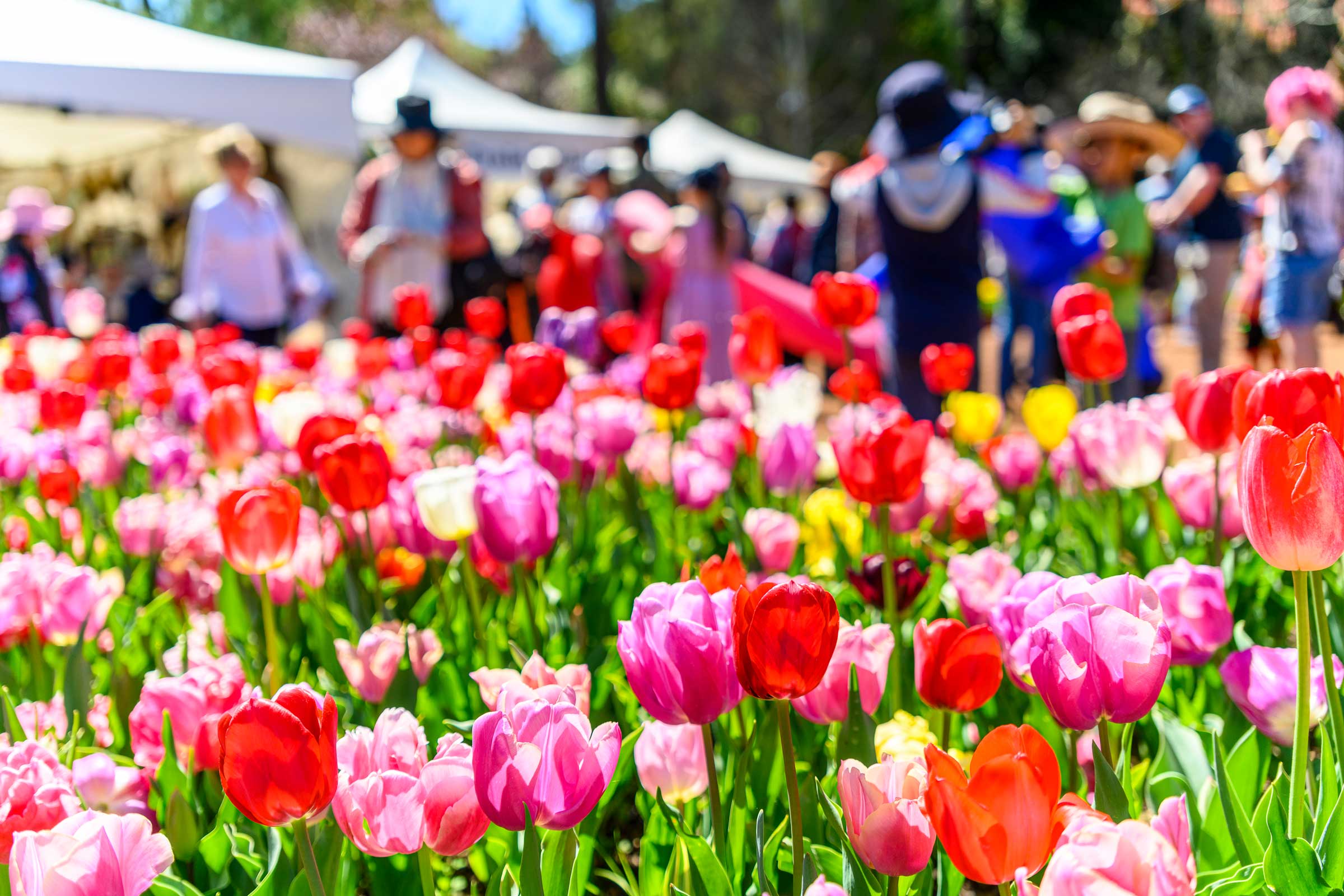
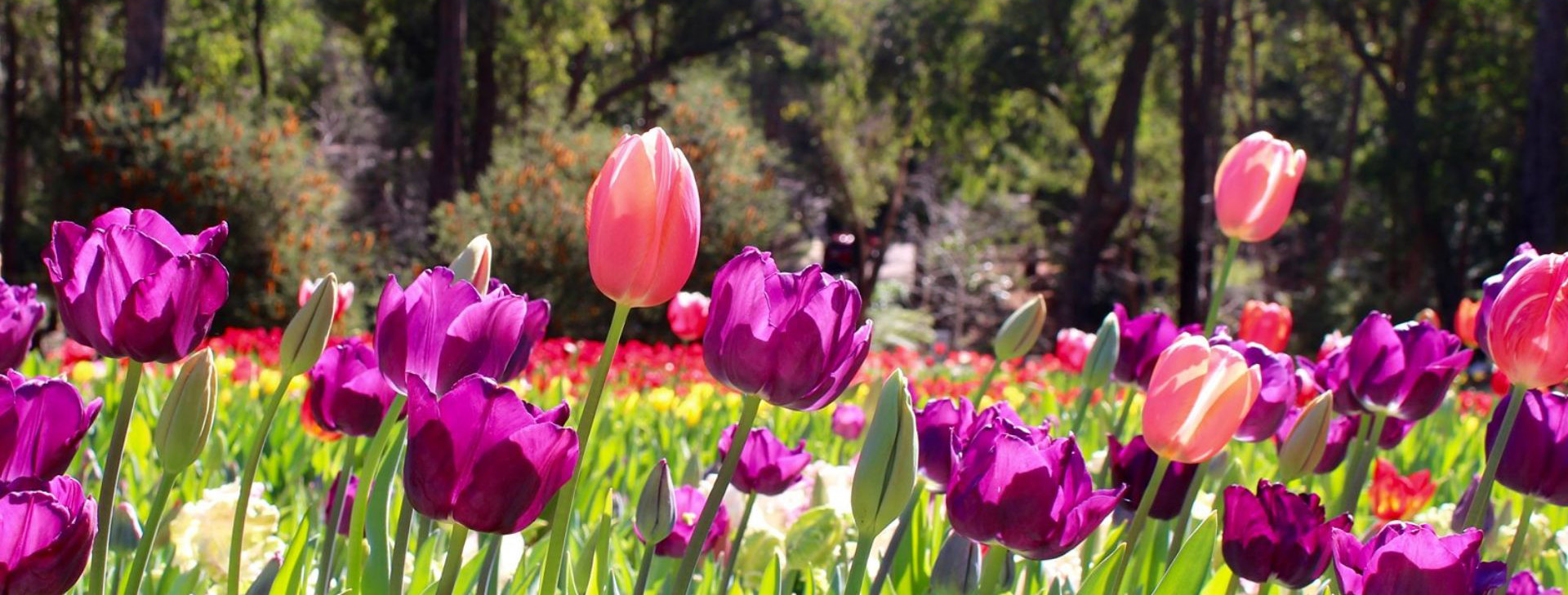
Spring also marks the height of Araluen’s bulb displays. Thousands of tulips, planted by community volunteers and the garden team, emerge alongside mass plantings of daffodils, hyacinths, lilies, iris, jonquils and Easter lilies. With more than a quarter of a million tulips in bloom, the spectacle attracts over 70,000 visitors each September and October.
As crepe myrtles flower and cool-climate rhododendrons brighten the slopes, towering camellias — some reaching up to nine metres — rise above the Park’s historic log-cabin buildings. Internationally recognised as one of only four such collections in Australia, the 300-bush Camellia collection remains a must-see when visiting the Perth Hills.
Whether visitors come to wander, celebrate, or simply breathe in the fresh air of the hills, Araluen Botanic Park delivers an experience shaped by season, scent, and story.
Araluen Botanic Park — our Park, your story.
Araluen is an internationally-acclaimed garden for particular species, including Camellias and Roses. In 2022 the International Camellia Society (ICS) recognised Araluen under its Camellia Gardens of Excellence program. Similarly, Araluen’s Tea Roses drew acclaim through the highly respected US Rosa Mundi magazine.
Araluen Botanic Park is a place of ever-changing beauty, where each season brings its own charm, colours, and experiences. Nestled in the Perth Hills, the Park offers a unique blend of native bushland and curated gardens that transform throughout the year — from the fiery hues of autumn and the soft blooms of winter, to spring’s vibrant floral displays and the lush greenery of summer.
The dominant natural tree of the Valley, within and surrounding the Park is Marri. Other naturally occurring large trees are Jarrah and flooded gum. The Jarrah was once significant but has been logged at least twice now and plays a minor role in the bushland around Araluen.
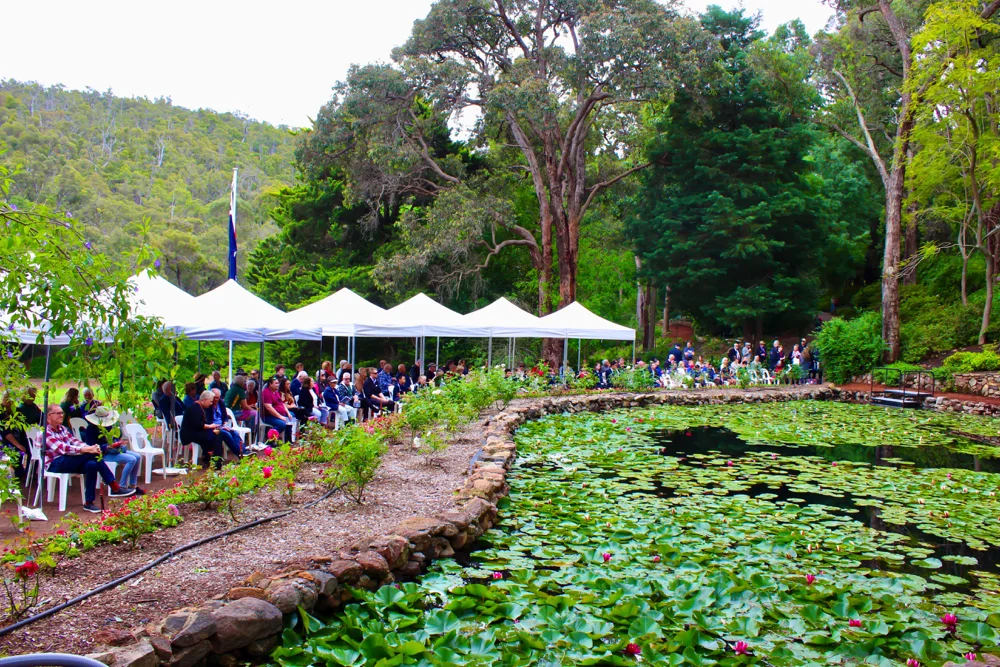
Water is a key element for the Park. The name Araluen reflects this as it is an aboriginal word from NSW that, according to the YAL was thought to mean place of running water, place of meeting waters or place of water lilies.
The six seasons in the Noongar seasonal calendar are Birak, Bunuru, Djeran, Makuru, Djilba and Kambarang. Each of these seasons has an influence on the flora and fauna of Araluen Botanic Park.
Outside the Chalet Totterdell, which is now used as an administration building.
It is not known what the oldest planted tree is Araluen as many were planted in c1927.
We suspect the three oldest trees are the Eucalyptus pattens (Bluckbutt) in the concourse lawns, next to the Margaret Simons Pergola, the Blackbutt in the centre of the Grove of the Unforgotten, and the large Jarrah near the Lookout.
Between August and October each year.
Yes – see the downloadable list.
All across the Park. Several of the Ash (Fraxinus) which are generally the first to colour significantly with deep gold leaves.
These are closely followed by the Canadian Maples – Acer rubrum, Acer x freemanii whose bright red cultivars are found from the Entry verge and throughout the Park. Also in the Entry are the bright gold Tulip Trees (Liriodendron) and the red-toned Snowy Mespillus (Amelanchier) and then the large maples in the Entry Carpark.
From mid April to May
Look for the Chinese Pistachio, Pistachio chinensis which are found from the top of Brisbane Hill across to the Lake below Forest View; persimmons, Diospyros kaki, at the top of Lilac Hill; crepe myrtles, Lagerstroemia sp, and various ornamental plums and cherries, Prunus, and ornamental pears, Pyrus, throughout the Park
By mid-May Japanese Maple, Acer palmatum with many cultivars may be seen throughout the Park but especially on the verge below the Entry Cark, around the Margaret Simons Pergola, the adjacent lower level of Brisbane Hill, around the Log Cabin, and below Forest View as many of the younger trees are now becoming established.
The most impressive display comes from the various liquidambers, mostly around the Concourse. These are large trees dating from the early years of Araluen. One by the Margaret Simons Pergola has a plaque indicating it was planted in 1938.
Araluen has many varieties of roses in the Park, some that date back to the 1900’s. There is a huge variety of roses at Araluen. Near the ‘Grove of the Unforgotten’, there is a bed of the original 1930’s roses complemented with beds of Iceberg, Gruss an Aachen and Rugosas
The roses are planted in an Australian bushland setting, amongst native vegetation of jarrah, marri and grass trees, rather than as a formal rose garden. This is one of the reasons it is so unique.
Near the Roundhouse, the Felicias and Seafoam roses look spectacular. By the Chalet Healy cafe, a bed of David Austin Roses, together with many famous old heritage roses, are at their best in Spring. The bright yellow of ‘R.foetida’, an older species of rose, stands out. Kazanlik, a rose famous in the perfume industry, are here as well. The Moss roses, with their unusual and fragrant sepals, provide added interest.

Discover what’s blooming, get behind-the-scenes insights, and stay up to date with all the latest from Araluen Botanic Park.
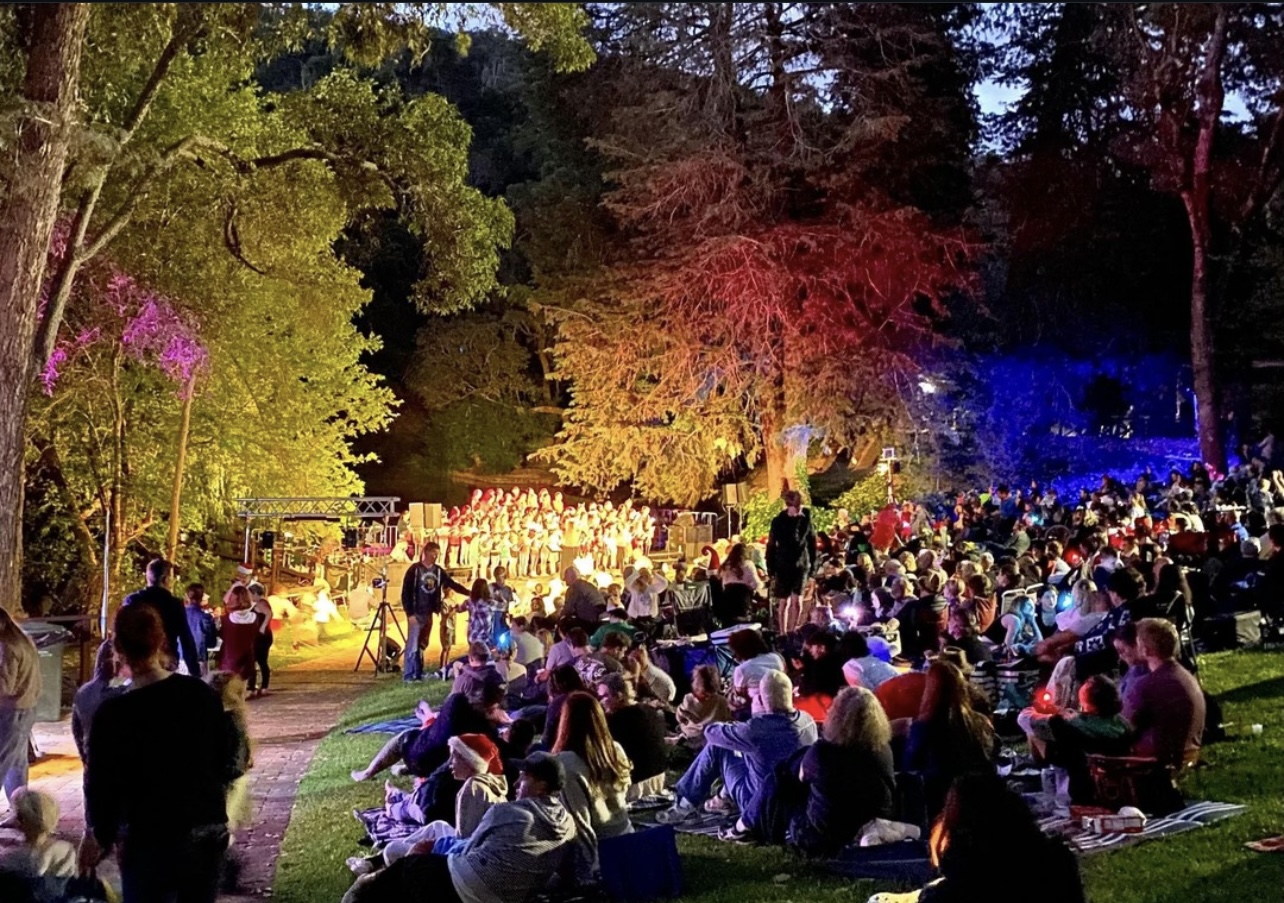
From live concerts to seasonal festivals, there’s always something special happening at Araluen. Explore upcoming events and plan your next visit to experience the park in full bloom.
Take a break from the everyday and spend a few peaceful hours surrounded by trees, flowers, and flowing water.
With shady walking trails, garden seating, and plenty of picnic spots, Araluen is perfect for families, friends, or quiet solo escapes.
Tickets can be purchased on the day at the gate but to guarantee entry please buy online ahead of time.
Click here to check our Holiday Closure dates.
Ticket Validity
This ticket is valid for one entry only to Araluen Botanic Park on the date chosen. Tickets are not transferrable.
Concession Entry must show valid concession card upon entering. Accepted cards as follows: